
Cómo reducir el consumo de energía de tu nevera
Lifestyle and environmental awareness have become increasingly important in today's society. As we strive to reduce our carbon footprint and energy consumption, one area that often goes overlooked is our refrigerator. Although it may seem like a small part of our daily lives, the refrigerator is a major contributor to energy consumption in our homes. In this article, we will explore various techniques and tips on how to make our refrigerator more energy-efficient.
1. Optimal Temperature Settings
One of the simplest ways to reduce energy consumption is to set the refrigerator at the optimal temperature. The recommended temperature range for a refrigerator is between 35 and 38 degrees Fahrenheit (1.7 and 3.3 degrees Celsius). By maintaining this temperature, the refrigerator operates efficiently without consuming excessive energy.
2. Keep the Fridge Well-Organized
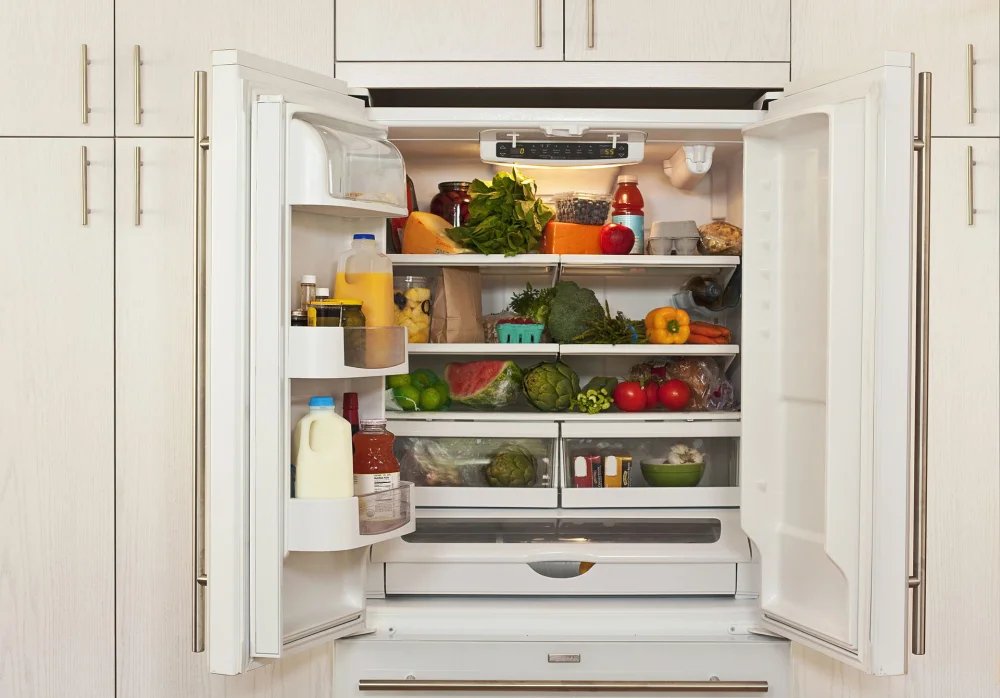
An organized fridge not only helps with convenience but also aids in energy efficiency. Make sure to place similar items together and avoid overcrowding, as this restricts airflow and forces the refrigerator to work harder to cool the contents. Additionally, keeping the fridge clean and removing any food or spills promptly will also contribute to its energy efficiency.
3. Check the Door Seal
One common issue that leads to high energy consumption is a faulty door seal. Over time, the rubber seal around the refrigerator door can wear out, allowing cold air to escape and warm air to enter. To check if the door seal is working properly, close the door on a piece of paper or dollar bill. If you can easily pull it out, it's time to replace the seal to ensure optimal energy efficiency.
4. Allow Leftovers to Cool First
When storing leftovers in the fridge, it's essential to allow them to cool down before placing them inside. Placing hot food directly into the refrigerator causes it to work harder, consuming more energy in the process. Therefore, make it a habit to cool down food before storing it, either at room temperature or in a separate container.
5. Utilize Proper Ventilation
Refrigerators generate heat as they cool the contents inside. It is crucial to provide adequate space for ventilation to prevent the buildup of heat. Leave a gap between the refrigerator and the wall, ensuring that air can flow freely around it. Similarly, avoid placing the refrigerator near heat sources such as stoves or direct sunlight, as this can lead to increased energy consumption.
6. Regular Defrosting
Frost buildup in the freezer not only reduces its storage capacity but also hampers its energy efficiency. Regularly defrosting the freezer not only improves its performance but also helps in saving energy. Keeping the freezer free from ice buildup ensures that it consumes less energy to maintain the desired temperature.
7. Consider Upgrading to Energy-Efficient Models
If your refrigerator is over ten years old, it might be worthwhile to consider upgrading to an energy-efficient model. Modern refrigerators often come with ENERGY STAR certification, indicating that they meet specific energy-efficiency standards. These models use advanced technologies such as improved insulation, efficient compressors, and LED lighting to reduce energy consumption significantly.
8. Use Seasonal Foods to Your Advantage
During colder months, take advantage of outdoor temperatures to store perishable items. Placing fruits, vegetables, or other foods that are not temperature-sensitive in cool areas such as a garage or a well-insulated porch can help to decrease refrigerator use, thereby reducing energy consumption.
Datos finales
In conclusion, making our refrigerator more energy-efficient is not only beneficial for reducing our carbon footprint but also helps to lower energy bills in the long run. By following these tips and implementing small changes in our daily routines, we can make a significant impact on our refrigerator's energy consumption. Let's strive towards a more sustainable lifestyle, one appliance at a time.